Shikoku Pilgrimage
四国遍路
What is the Shikoku Pilgrimage?
The Shikoku O-henro is a 1,200 km walking route around the Japanese island of Shikoku, linking 88 Buddhist temples in a great loop. It follows the path of Kūkai, a 9th-century monk also known as Kōbō Daishi, who is said to have trained on the island. Pilgrims walk it clockwise and the whole pilgrimage takes about six weeks, but most walk it for as much time as they have.
An O-henro usually wears a white vests and a conical straw hat, carrying a staff that embodies the saint himself because then the henro never walks alone. People walk for various reasons, faith, gratitude, grief, or carrying their own question. In fact many Japanese people walk it to ask for favours for family and relatives. It is one of the world's few circular pilgrimages.

What can I see in Shikoku?
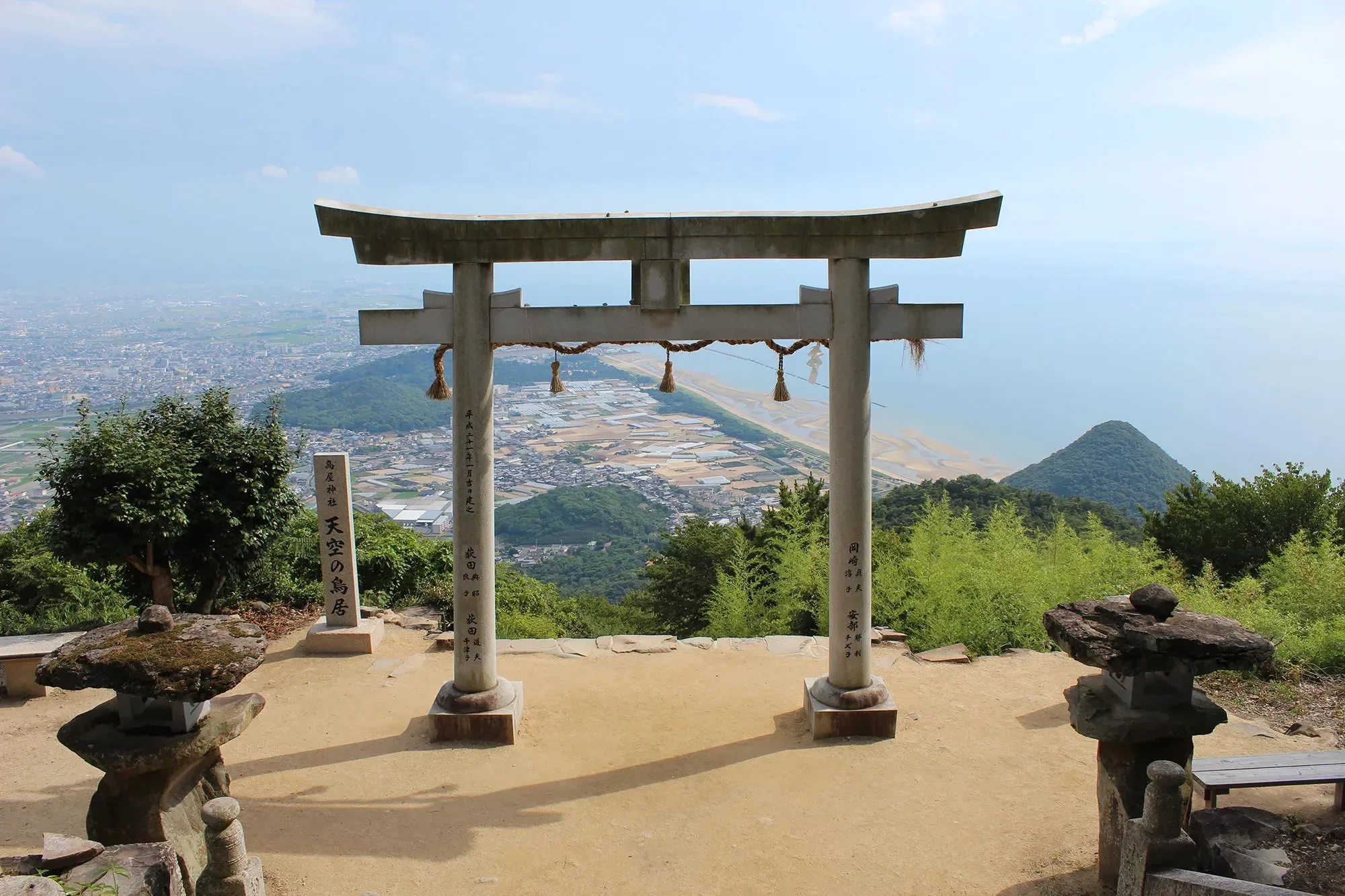
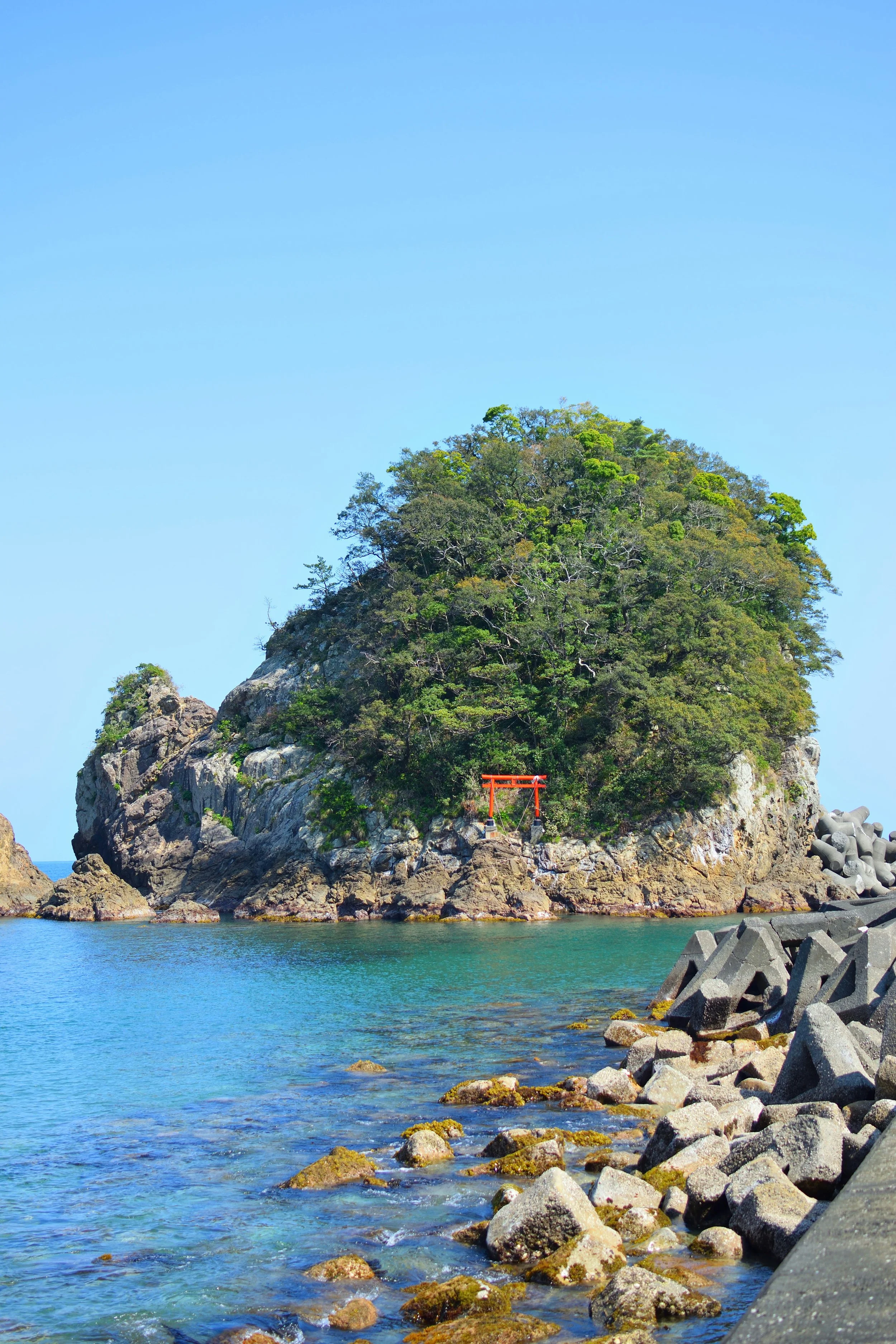
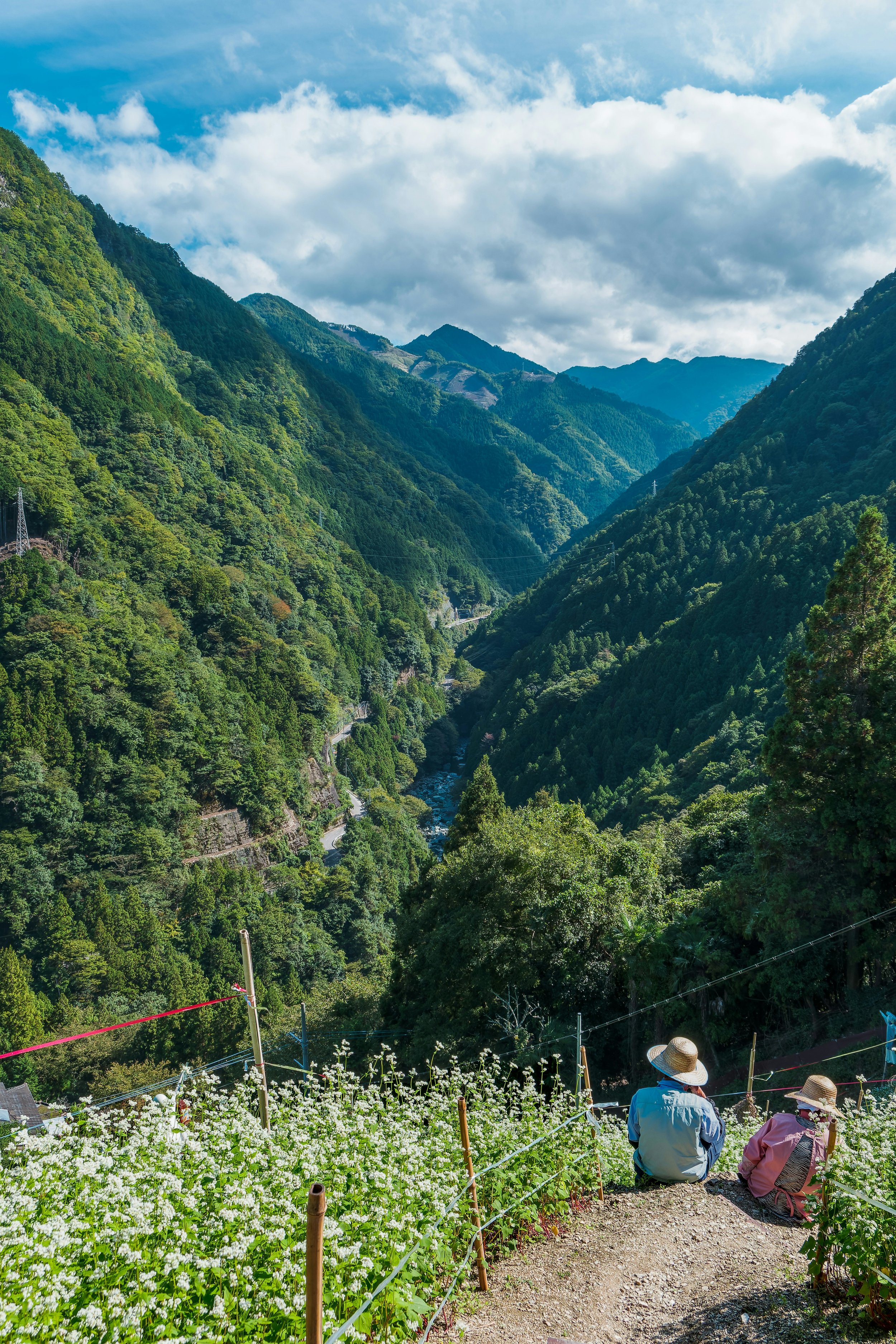
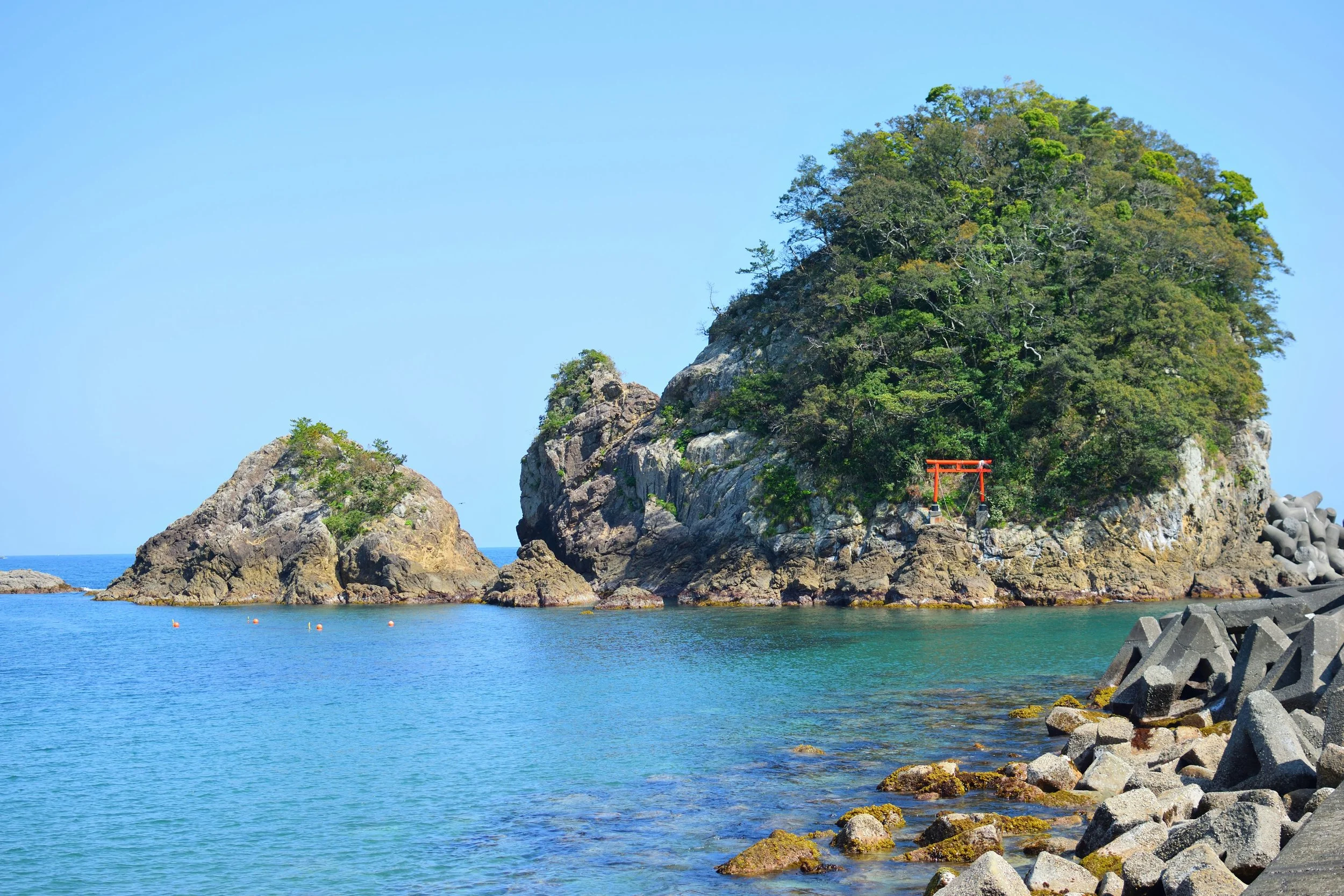
On Shikoku you'll see the Japan of the picture books, which most travellers never get to see: misty mountains, majestic temples and quiet farming villages, long stretches of the Pacific coast with the sea always at your side, hot springs to soak tired feet, paths that wind through rice fields and cedar forest, and coastal views like an old woodblock print.
It's rural, unhurried Japan, and everywhere, the small kindnesses of o-settai: a tangerine, a coin, a cup of tea pressed into a stranger's hand.
Why should I walk the Shikoku?
Everyone walks with their personal reasons in their bag—sometimes it’s anger, grief, or recovery from an illness, sometimes it’s simply because one feels lost, or stands at a turning point such as a divorce, a job loss, a burnout, or one doesn't yet know which way to face.
Sometimes walking away isn't a retreat at all. It resets the compass. It clears the eyes for new horizons. Travelling into a culture as different as Japan with its own values, its own quiet virtues, can be part of that reset: a way of stepping far enough from your life at home to see it clearly again, and return replenished.
What is the difference between a pilgrimage and a trek?
Trek
A trek is a long, demanding walk through harsher landscapes, where the reward is the terrain itself. The goal is the place, the summit, the feat of reaching it. When you finish, you've arrived somewhere and accomplished something.
Pilgrimage
A pilgrimage is different. It is a journey undertaken to seek some kind of meaning— either personal, devotional, or spiritual. These paths are usually gentler than a trek, and pointed toward something greater within. It is less about arriving somewhere or accomplishing something, than far more about what happens to you along the way.
FAQs
-
Do I have to walk the whole 1,200km, or can I do parts of it? Walking the full Shikoku Henro pilgrimage typically takes 40-60 days, covering roughly 1,200 km across all 88 temples starting at Temple 1 Ryōzen-ji (霊山寺), which is located in Naruto in Tokushima Prefecture. However, you don't have to walk it all at once, or all in one visit, and you can start anywhere on the route. Many pilgrims complete the Shikoku Henro in stages over several years, or choose a shorter section that fits their time and energy. Wild Pilgrim can guide you through a portion of it— we recommend at least 10 days as a minimum, since it typically takes about a week to settle into the rhythm of walking—or the full route upon request.
-
Yes. The Shikoku pilgrimage welcomes walkers of all experience levels and ages, not just experienced hikers. The path moves through quiet countryside, coastal roads, and mountain trails, and the pace is yours to set. With guidance, first-time pilgrims can walk the Shikoku Henro safely and comfortably, without needing prior long-distance walking experience. However, moderate fitness is recommend. Wild Pilgrim handles logistics like accommodation bookings, since many host along the route only speak Japanese.
-
Spring (March-May) and autumn (September-November) are the best seasons to walk the Shikoku Henro, with mild temperatures and beautiful seasonal scenery—cherry blossoms in spring and stunning maple colors in autumn. Summer brings heat, humidity, and typhoon risk, making it the one season Wild Pilgrim doesn’t guide. Winter is walkable with the right preparation, though cold and occassionally snowy in the mountains. Spring is the busiest, and Winter the quitest season. Wild Pilgrim offers tours in spring, autumn, and winter.
-
Yes, solo female pilgrims walk the Shikoku Henro regularly, and it's considered a safe route in Japan. As a female traveler myself, Japan is a country where I feel incredibly safe basically all the time. If you prefer company, Wild Pilgrim offers companioned journeys, so you can experience the path at your own pace with female company, rather than walking in isolation.
-
Accommodation along the Shikoku Henro ranges from ryokans, family-run guesthouses (minshuku), business hotels, and temple lodgings (shukubo). Shukubos can be harder to book as they once were, as some temples are reducing or closing their lodging services. Wild Pilgrim arranges stays that suit your route and pace. We’ll always try to include a shukubo stay, but we can’t guarantee one.
-
Yes, of course. The Shikoku pilgrimage can be walked slowly, in short stages, with rest built in wherever you need it. There are a lot of resting areas and convenience stores along the route. Wild Pilgrim designs recovery-paced pilgrimages for walkers healing from illness or simply needing a gentler journey, so the path meets you where you are rather than the other way around.
Currently I’m scouting routes and partnerships so that we can walk together in 2027.
If you are interested, leave your name and details. You’ll be among the first to be invited.